


WellMedr
- Licensed Healthcare Providers
- Medication Delivered to Your Door
- Personalized Treatment Plans

Embody
GLP Options starting @ $69/mth
- Telemedicine Doctor Visits Included
- No Insurance Needed
- Shipped Discreetly. 7-Day Staff Support

MEDVi
Starting at just $99 – no insurance required
- No Insurance Required. Fast FREE Shipping
- Wegovy®, Zepbound®, Ozempic®, & Smaglutide available
- HAS/FSA Approved

Trim RX
Weight Loss Plans – starting @ $149/mth
- Fast, Discreet Home Delivery
- No Insurance Needed
- Ongoing Clinical Support

ShedRX
GLP-1 Dual-Action Meds as low as $159/month
- No Insurance Needed
- Personalized Provider Support
- Delivered to Your Door

Fridays Health
Weight Loss Options. Save Big. Up to $500 Off
- Dietitian, Coaching & Support Included
- Personalized Care Plan
- Refund Available if You’re Not Eligible

Hers
GLP-1 Pills Starting at $149/month
- Licensed Providers
- Multiple GLP-1 Options Available
- Delivered to Your Door

Skinny Rx
GLP-1 Treatment Starting at $99/Month
- Medication Delivered to Your Door
- Licensed Medical Providers
- No Insurance Needed

Tmates
Weight Loss Injectables from $99/month
- Convenient Online Medical Visits
- Medication Shipped Directly to Your Door
- No Insurance Required

Sprout
Provider of Leading Wellness Treatments
- Get the Best Results with your Chosen Treatment
- Step-by-Step Guide for you
- Medical Portal for Easy Refills
Our Top Choice
Why WellMedr Is Our Top Choice?
After comparing the providers on this page, WellMedr earned our top spot. Here’s how we looked at it and what to know before you get started.
What We Compared
- Pricing: how clear the costs are, and what’s included in the monthly price
- Treatment options: which medications and formats are available
- Medical support: access to licensed providers before and during treatment
- Convenience: online sign-up, prescriptions and home delivery
- Customer feedback: what real users say about the service
How Getting Started Usually Works
- Complete a short online health assessment.
- A licensed medical provider reviews your information.
- If treatment is right for you, your prescription is sent and the medication is delivered to your door.
Ready to see if Wellmedr is a good fit? Check current pricing and offers on the official website.
Prescription medications require a consultation with a licensed provider, and not everyone qualifies. Individual results vary. Prices and offers may change; please confirm the details on the provider’s website.
What Are Weight Loss Injections and How Do They Work?
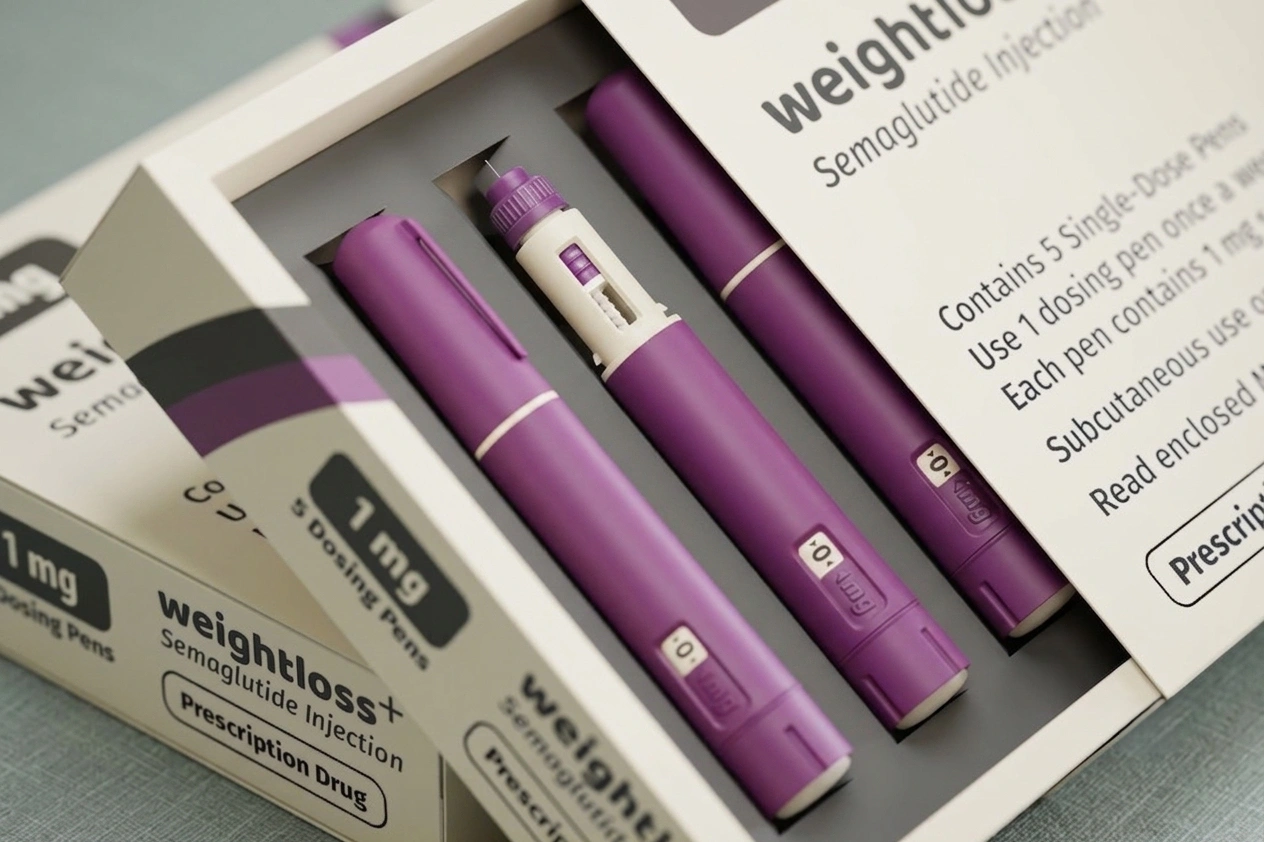
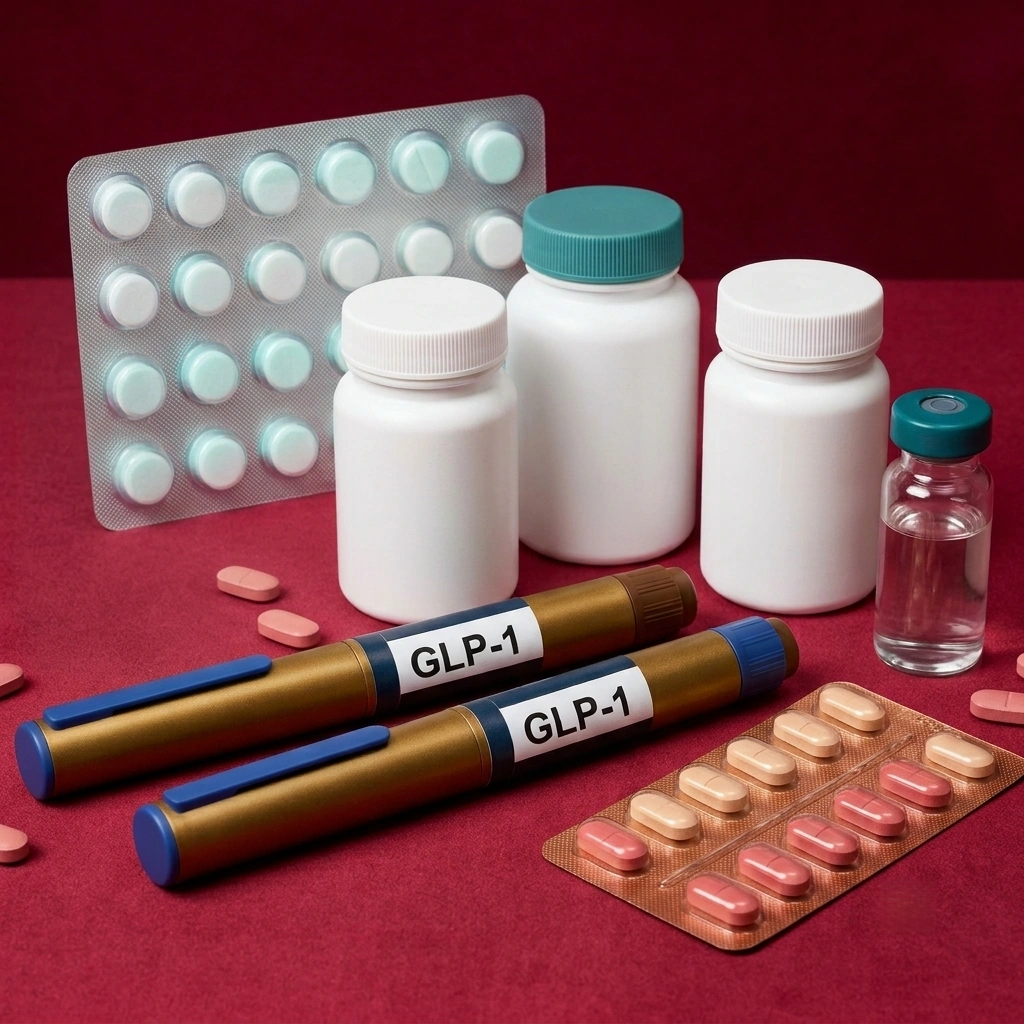
If you’re comparing weight loss injections, it helps to first understand how these medications work. GLP-1 (glucagon-like peptide-1) medications are a class of prescription drugs originally developed to treat type 2 diabetes that have since become widely used for weight management. They work by mimicking a natural hormone your gut releases after eating, which signals your brain and digestive system in several ways at once.
- Appetite Control: Mimics fullness hormones, helping reduce calorie intake without constant hunger signals
- Slowed Digestion: Slows how quickly food leaves the stomach, extending the feeling of fullness after meals
- Blood Sugar Regulation: Helps stabilize blood sugar levels, which can reduce cravings and prevent energy crashes
Expected Results and Timeline with Weight Loss Injections
Results with weight loss injections vary significantly from person to person, but clinical trial data gives a useful benchmark for what’s realistic.
In the STEP 1 clinical trial (one of the largest studies on semaglutide for weight management) participants taking semaglutide 2.4mg lost an average of 14.9% of their body weight over 68 weeks, compared to 2.4% in the placebo group. 86.4% of participants on semaglutide achieved at least 5% weight loss, a threshold generally considered clinically meaningful.
Typical timeline:
- Weeks 1-4: Dose escalation phase; weight loss is usually gradual as your body adjusts
- Months 2-6: The period where most people see the fastest rate of loss
- Months 6-15: Weight loss continues but slows, typically plateauing as the body reaches a new set point
Individual results depend on starting weight, dose, adherence, and lifestyle factors. Always discuss realistic expectations with a licensed provider.
FDA-Approved GLP-1 Medications Available Today
When comparing weight loss injections, it helps to know which brand-name medications are FDA-approved.
- Wegovy® (semaglutide): FDA-approved for chronic weight management in adults with obesity, or overweight adults with at least one weight-related condition. Administered as a once-weekly injection.
- Zepbound® (tirzepatide): FDA-approved for chronic weight management in eligible adults. This once-weekly injection acts on two hormone pathways (GLP-1 and GIP), which some studies associate with greater average weight loss.
- Saxenda® (liraglutide): FDA-approved for weight management in adults and certain adolescents. Unlike the once-weekly options above, Saxenda is a daily injection.
- Ozempic® and Mounjaro®: These share the same active ingredients as Wegovy and Zepbound but are FDA-approved specifically for type 2 diabetes. They’re sometimes discussed in weight-loss contexts because of this overlap, though a provider determines which medication fits a given patient.
A licensed provider will determine which medication is appropriate based on your medical history, goals, and eligibility.


Potential Side Effects of Weight Loss Injections
Like any prescription medication, weight loss injections can cause side effects – and being aware of them is part of making an informed decision.
Common side effects (these are typically mild and tend to improve as your body adjusts to treatment):
- Nausea
- Vomiting
- Diarrhea
- Constipation
- Abdominal discomfort
Less common but more serious side effects can include gallbladder problems, pancreatitis, and severe gastrointestinal symptoms. These are less frequent but worth discussing with your provider, especially if symptoms are severe or don’t improve.
This is general information, not medical advice. Always talk to a licensed healthcare provider about your specific risks and how to manage any side effects you experience.
Frequently Asked Questions
Are compounded GLP-1 medications legal?
Yes, when done correctly. Federal law allows pharmacies to compound medications when there is a drug shortage or when a patient needs a clinically significant difference. As of April 2026, compounding remains legal but providers must create formulations that differ meaningfully from brand-name products.
Are compounded drugs as safe as brand-name drugs?
It depends on the pharmacy. Compounded meds are not FDA-approved, but pharmacies following cGMP standards with 503b facilities and third-party testing can produce high-quality medications. The FDA has found potency variations of 42-170% in some compounded GLP-1 products, which is why choosing a certified provider is critical.
How much do compounded drugs cost?
Brand-name drugs cost between $1,000–1,400/mo without insurance. Compounded drugs range from $119–400/mo including fees. The wide range reflects different pharmacy types, services, and quality standards.
Can I use HSA/FSA?
Yes, with a prescription and qualifying BMI (typically ≥30 or ≥27 with conditions). Check that your provider processes HSA/FSA payments.
How to Verify a Safe Provider of Weight Loss Injections
Before buying weight loss injections online, don’t rely on marketing claims. Check these verifiable credentials.
» Check LegitScript Certification
Visit LegitScript.com and search the pharmacy name.
» Verify 503b FDA Registration
Check FDA’s Registered Outsourcing Facilities database.
» Request Certificate of Analysis
Ask for third-party COAs showing potency (95-105%) and sterility.
» Search FDA Warning Letters
Any violations in the past 3 years are a red flag.
» Look for PCAB Accreditation
Less than 1% of pharmacies have this gold standard.
Red Flags:
Won’t disclose pharmacy name • No COA available • Suspiciously cheap pricing • No LegitScript • Recent FDA warnings
Understanding 503a vs 503b Pharmacies
This is the most important distinction when choosing a compounding pharmacy.
503b
FDA-Registered Outsourcing
FDA Oversight — Direct FDA registration and inspection
cGMP Standards — Same as drug manufacturers
Batch Testing — Mandatory potency & sterility per batch
Recommended for: Maximum safety assurance
503a
Traditional Compounding
State Board Oversight — Not FDA directly
Patient-Specific — Individual prescriptions required
USP Standards — USP <797> for sterile compounds
Can be safe when: LegitScript certified with transparent testing
glp-1comparisons.com is a free online resource that offers reviews and comparisons of companies and the products and services they provide. All representations and warranties regarding the accuracy of the information are disclaimed. Company trademarks featured on our site are the property of their respective trademark holders and listings on our site do not imply endorsement. glp-1comparisons.com does not claim to represent every available company, product, or service existing in the market as a whole.
glp-1comparisons.com may receive compensation from the companies featured on this site. All forms of rankings, evaluations, reviews, and opinions featured on this site are determined internally and subjectively. The glp-1comparisons.com team works hard to keep site information up to date, but all information is presented “as is” and should not be assumed accurate.
All users of this site are subject to the site’s “Terms of Use.”